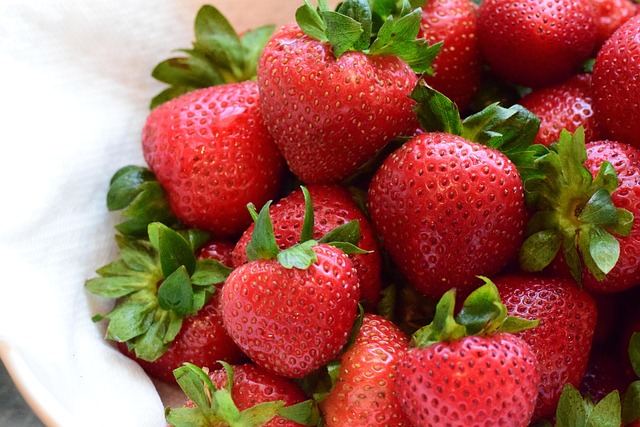
ROI context: Irish berry demand
Demand for berries is shaped by convenience, freshness expectations, and seasonal retail patterns. From an ROI perspective, this often translates into emphasis on consistent quality, fast harvest-to-chill handling, and reliable weekly supply when markets are strongest. Any financial model should treat pricing and yield as variable, not fixed.
Seasonality
Harvest windows drive revenue timing and labor peaks.
Quality
Packout and waste can swing margins.
Logistics
Cold chain speed affects shelf life and claims.
Educational content only. ROI outcomes are not guaranteed and depend on execution and conditions.
A practical ROI model (no promises)
A useful berry ROI model is built from controllable drivers and explicit assumptions. Instead of relying on a single yield or price figure, model a realistic range for each driver and test how sensitive results are to changes. In Ireland, weather variability and labor availability can change picking cadence, packout, and post harvest loss. Your model should treat these as central inputs rather than footnotes.
The sections below break the model into parts: revenue (volume and price), direct costs (labor, packaging, inputs), overhead (land, energy, compliance), and capital (tunnels, irrigation, plants, machinery). If a number is uncertain, record where it came from, when it was quoted, and what would make it change.
Revenue
Volume times net price. Include grade mix, rejected fruit, and buyer specifications. Reflect week-by-week seasonality rather than annual averages.
Labor
Picking is often the largest variable cost. Model staffing peaks, training time, supervision, and productivity differences between early and main season.
Packaging and logistics
Include punnets, labels, pallets, and transport. Add cold storage energy and time limits between pick, chill, and dispatch.
Capital and depreciation
Model capex separately and consider maintenance cycles. Tunnels, irrigation, substrate systems, and machinery can affect both yields and costs.
A simple, transparent ROI worksheet structure
Inputs to define
- Area (hectares or tunnel bays) and production system
- Weekly yield range by crop and by grade
- Packout and waste assumptions (damage, mold, shrink)
- Labor plan (headcount, wage, productivity, overtime)
- Capex quotes and maintenance schedule
Outputs to review
- Break-even price per punnet and per kilogram
- Sensitivity to 10 percent changes in yield and packout
- Peak labor weeks and cold storage bottlenecks
- Cash flow timing (capex upfront vs seasonal revenue)
- Downside scenario plan for weather disruption
Important note on ROI language
ROI is a way to compare scenarios, not a promise. Any statement about returns must be supported by real quotes, verifiable assumptions, and a risk range. Fanataqe does not provide individualized financial advice and does not guarantee performance.
Risk factors to model in Ireland
Berry farms can be operationally demanding because the product is fragile and the clock starts at harvest. The best way to improve the quality of an ROI model is to explicitly list risks, assign a likelihood, and map each one to a mitigation plan and a cost. In Ireland, rainfall and humidity can affect disease pressure, and wind exposure can influence protected structures. Market risk also matters: contracts, specifications, and rejection rates can change realized price.
Weather variability
Model delays to picking, higher spoilage risk, and additional labor for crop protection and ventilation management in wet periods.
Labor availability
Productivity assumptions should include training, supervision, and peak-week recruitment. Labor shortages can reduce packout and revenue.
Quality and compliance
Factor costs for food safety processes, traceability, and quality checks. Rejections impact realized price and can increase waste.
Route to market
Contracts, spot sales, and direct-to-consumer channels have different pricing, packaging, and logistics requirements. Model each separately.
Due diligence checklist before you rely on numbers
Operational proof points
- Picking cadence plan and on-site chill capacity
- Quality grading criteria agreed with buyers
- Input program with local agronomy support
- Maintenance plan for protected structures
Commercial proof points
- Written pricing basis, specs, and rejection rules
- Transport and cold chain responsibilities
- Packaging SKUs and label requirements
- Clear view of worst-week pricing scenarios
For timing assumptions, cross-check against the Ireland calendar so staffing and logistics align with the likely harvest window.
Open Ireland calendarNext steps (educational)
If you want to go deeper, review the gallery for crop stage visuals and visit the harvest calendar for timing. For general questions, use the contact page. We do not provide individualized investment advice, and we do not offer financial products. Any response we provide is informational and may include links to public resources and suggested questions for your advisers.