How to use this page
Each image includes a short caption that highlights a practical cue for picking, grading, or handling. If you prefer reduced motion, hover effects remain gentle and do not interfere with reading.
Gallery notes
Berry quality is usually assessed with a mix of visual cues and handling checks. For strawberries, consistent color, cap freshness, and firmness are common cues. For blueberries, bloom, skin integrity, and uniform ripeness matter, alongside careful temperature control after harvest. These examples are educational and should be adapted to local farm practices and buyer specifications in Ireland.
Handling reminder: gentle picking and fast cooling can reduce bruising and waste. Always follow your route to market specifications.
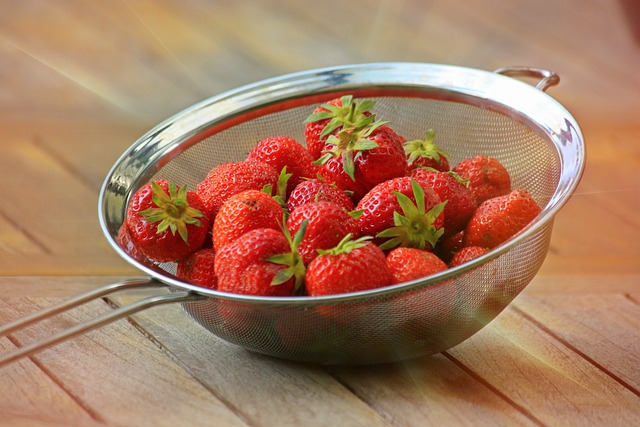
Strawberry ripeness
Look for even color and a fresh cap, then confirm firmness for your grade.
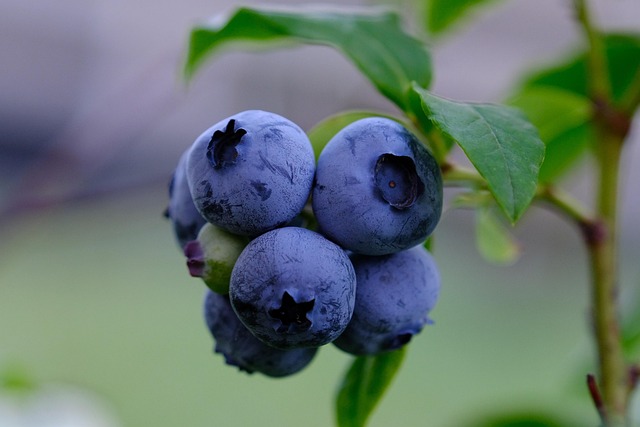
Blueberry bloom
A uniform bloom can indicate careful handling, but avoid rubbing the skin.
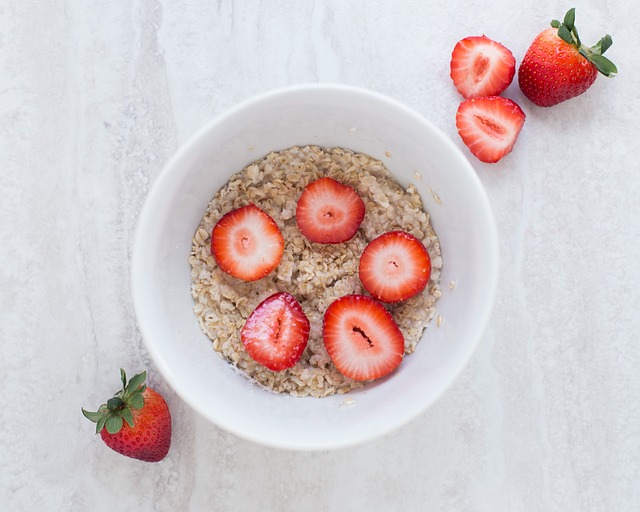
Bloom to set
Early stage visuals help align labor and spray programs to timing.
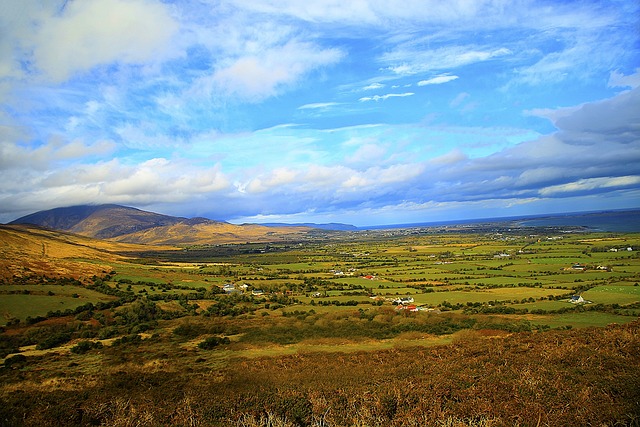
Packhouse flow
Short dwell time and clean workflows can protect freshness and reduce waste.
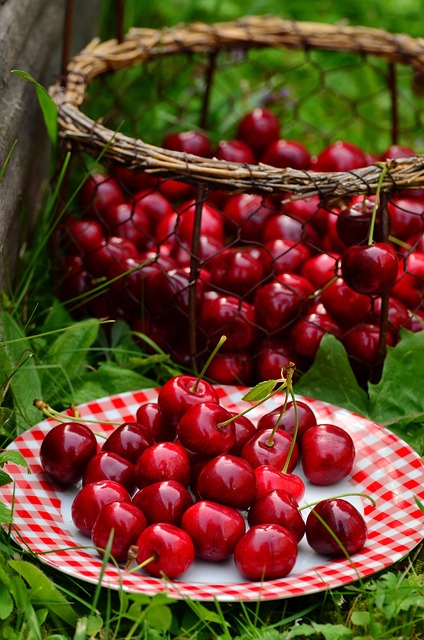
Picking cadence
Multiple picks help keep packs uniform as berries ripen in waves.
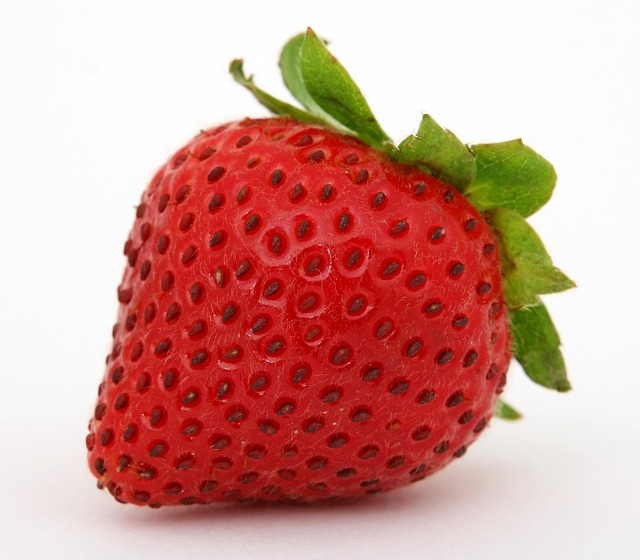
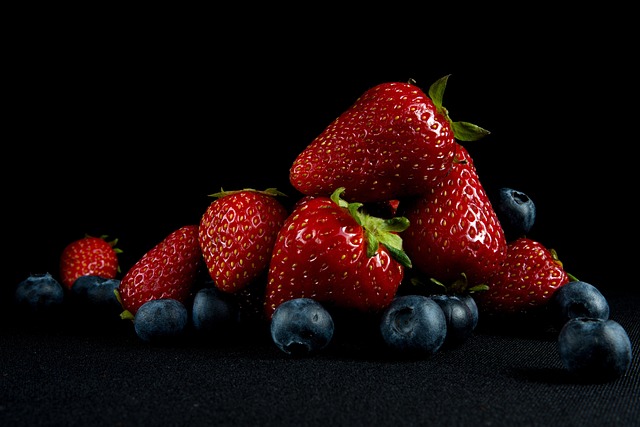
Seasonal assortment
Visual inspiration for seasonal planning and retail-ready presentation.
Canopy health
Leaf color and density can hint at nutrition and airflow conditions.
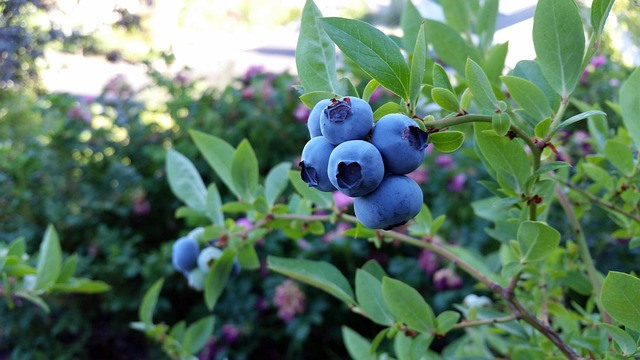
Substrate systems
Container growing highlights how pH and irrigation programs matter.
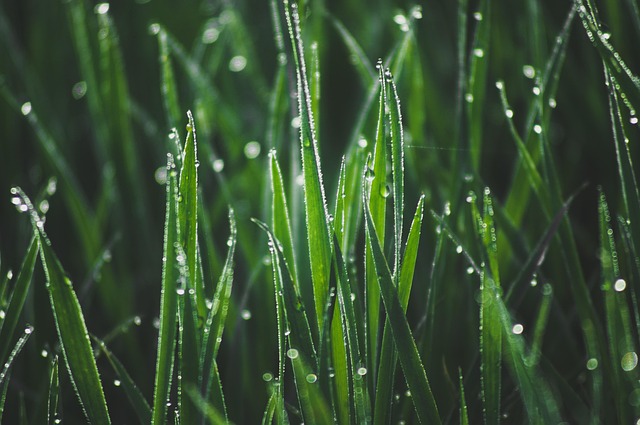
Irish conditions
Rain and wind planning can affect fruit integrity and harvest rhythm.
ROI and demand context, used responsibly
Visuals can help you understand the operational side of meeting demand, but ROI is never guaranteed. If you are evaluating a berry project in Ireland, consider how demand seasonality can affect staffing, picking frequency, packaging, and transport. Any ROI model should include realistic ranges for yield, packout, and quality risk, and should be reviewed with qualified professionals.